A Case for Letting the Garden Go Wild
My neighbor mows his lawn in perfect diagonal stripes. He edges it. He has a leaf blower he uses with the intensity of a man conducting an orchestra. His yard looks like a photograph, and I mean that as a compliment and also as a diagnosis. There is nothing alive in it that wasn't invited, and the invitations were very strict.
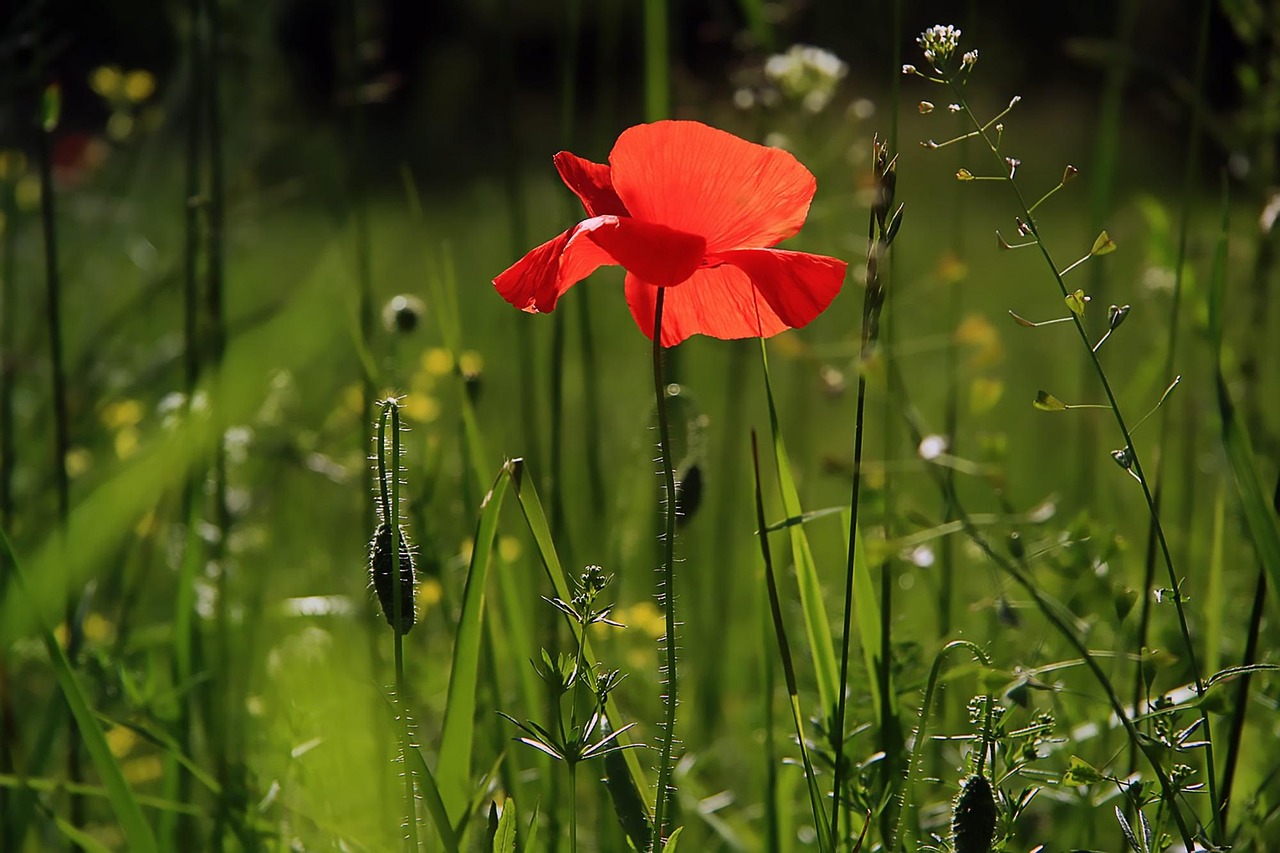
My yard is not like that. My yard is a negotiation. The asters have colonized the path. The goldenrod leans over the fence like a nosy aunt. There's a patch of violets I've stopped pretending to control. And every summer, without fail, something I didn't plant shows up and makes itself at home, and I've learned to say welcome instead of reaching for the hoe.
The Cost of Tidiness
I used to want a tidy garden. I spent a whole season trying to achieve it, and what I got was a space that looked nice and felt dead. No bees, no butterflies, no birds poking around in the leaf litter. I'd removed the habitat along with the mess.
It took me a while to understand that a garden is not a room. It's not something you decorate and then leave. It's a community, and communities are loud and uneven and full of things that don't match. The moment I stopped trying to make mine look like a magazine, it started to feel like a place I actually wanted to spend time in.
Now I sit out there in the mornings with my coffee and watch the chaos. A chickadee scolds me from the sunflower. A skipper lands on my knee and then thinks better of it. The native bees are working the mountain mint like it's their job, which, I suppose, it is. None of this would happen in a striped lawn.
How to Loosen Your Grip
If you're tidy by nature and the idea of letting things go wild makes your eye twitch, I get it. I was you. Here's what helped me, in small steps.
Start with the leaves. Leave them. Just leave them where they fall, at least in the beds, and let them do their slow work of feeding the soil and sheltering whatever needs sheltering. Then pick one corner of the yard and declare it wild. Not the whole yard, just a corner. Let it do whatever it wants for a season and see what shows up. You'll be surprised how quickly something does.
Then stop cutting back the stems in fall. Leave them standing through winter. They'll look dead to you, but to a native bee looking for a place to overwinter, they're a hotel. In spring, when the new growth comes up, you can cut them down if you want, and you'll feel virtuous about it.
The point isn't to be sloppy. The point is to be hospitable. A wild garden isn't a neglected garden. It's a garden that's been handed over, in part, to the things that were here before us and will be here after. That feels like a better legacy than stripes.