The Year the Monarchs Didn't Come
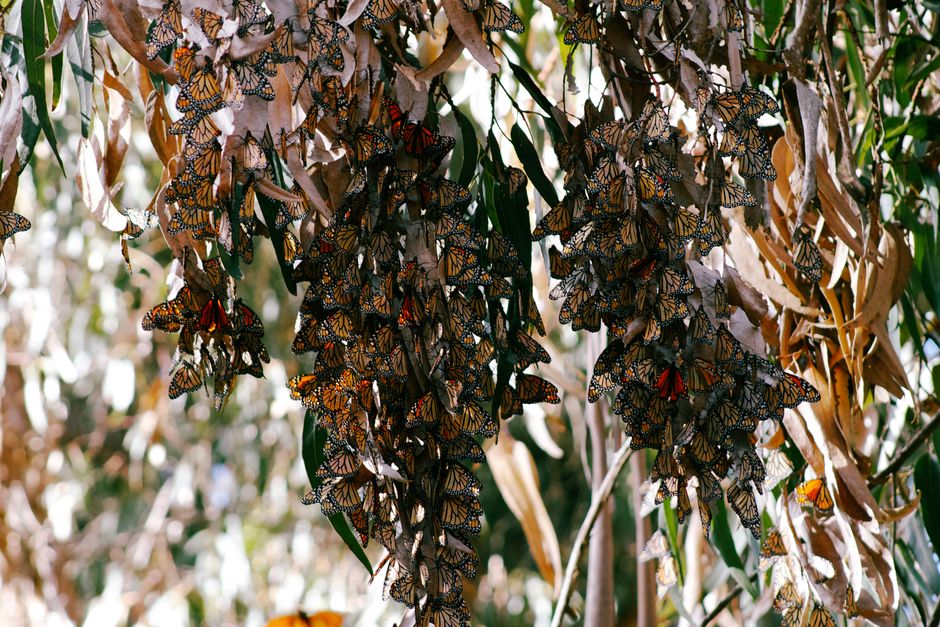
Every September for six years, the monarchs came. Not in the showy, postcard-perfect way you see in documentaries—this was a small yard in a small town, and we'd get maybe five or six over the course of a week. But they came. They nectared on the joe-pye weed and the late asters, they rested on the fence, and occasionally I'd find a chrysalis tucked under the eaves of the shed, jade-green and flecked with gold.
Then, two years ago, nothing. I watched the asters bloom and fade. I checked the milkweed daily, running my fingers under the leaves like I was looking for lost keys. Nothing. No caterpillars, no chrysalises, no orange wings against the blue October sky.
I told myself it was weather. A cold snap in Texas. A bad year for the overwintering colonies. All of that is true, probably. But standing in my garden that fall, I felt something I hadn't expected: grief. Real, disproportionate grief over insects I'd never named.
The Arithmetic of a Garden
Here's what nobody tells you about planting for wildlife: it's an act of faith that borders on delusion. You plant milkweed for monarchs that may never come. You leave the leaf litter for fireflies that might already be gone from your neighborhood. You stop spraying pesticides and watch your rose bushes get chewed to lace, all for the sake of moths you'll probably never see.
I'm not a scientist. I don't have data. What I have is a garden journal and a memory, and both tell me that the monarchs' absence wasn't just about my yard. Friends two states over reported the same thing. The Facebook groups were full of it—people posting photos of empty milkweed patches, asking each other what they'd done wrong. The answer, usually, was nothing. The answer was that migration is a fragile thing, and we've made it more fragile.
But here's the part I keep coming back to: I planted that milkweed anyway. The year after the monarchs didn't come, I planted more. I added nectar plants I'd never grown before. I let the goldenrod volunteer and didn't pull it. I did all of this knowing full well that I might be planting for nobody.
That's not optimism. I'm not sure it's even hope, exactly. It's something closer to stubbornness. Or maybe it's just what love looks like when it doesn't get rewarded.
Gardening for the Unseen
This past September, a single monarch appeared on the butterfly bush. Just one. It stayed for maybe twenty minutes, nectaring with that slow, deliberate grace they have, and then it lifted up and over the fence and was gone.
I cried. I'm not embarrassed to admit it. One monarch is not a recovery. One monarch is not a trend. But it was something—a small, flickering signal that the system isn't entirely broken yet.
If you're gardening for wildlife and feeling discouraged, I want you to know that the discouragement is normal. The absence is real. But so is the milkweed you planted anyway. So is the leaf litter you left. So is the pesticide you didn't spray. None of us can fix this alone. But we can keep planting for the ones who might come, and the ones who might come after them.