The Butterfly That Stayed for Breakfast
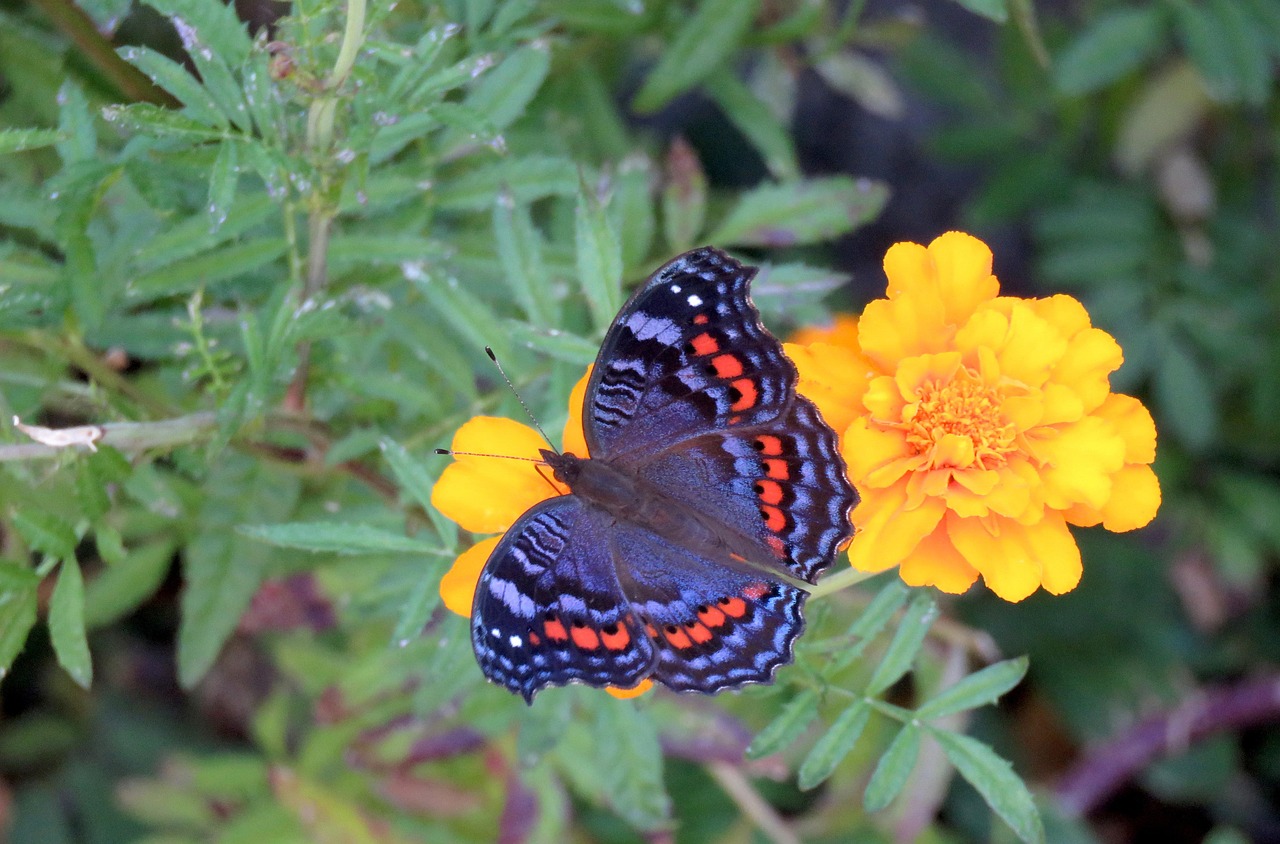
I was running late. Coffee in one hand, garden hose in the other, my mind already three tasks ahead of my body. That's when I nearly walked straight into it—a red-spotted purple butterfly, wings spread flat against the wet flagstone, drinking from a shallow puddle I'd created by accident the night before.
I stopped. Not because I'm particularly virtuous about stopping, but because its wings were so impossibly dark they looked like stained glass held up to a dim light. The orange spots along the outer edge seemed almost painted on. It didn't flinch when I crouched down. It just kept sipping, probed the wet stone with its proboscis, and shifted its weight like someone settling deeper into a good chair.
I forgot about being late. For five minutes—maybe ten, I honestly lost track—I watched this creature do something utterly ordinary and utterly mesmerizing. It was just drinking water. But the way it did it, with such unhurried attention, made me realize how rarely I do anything with that kind of presence.
The Unplanned Gift of a Puddle
Here's the thing about butterfly gardening that nobody tells you upfront: the best moments are usually accidents. I didn't plan that puddle. It formed because my hose leaked and I was too lazy to fix it. I didn't plant the wild cherry tree that probably hosted this butterfly's caterpillar stage—it volunteered itself three summers ago, and I let it stay because I liked the way its leaves shivered in the wind.
We spend so much time curating our gardens. Choosing the right nectar plants, the right host plants, the right color combinations. And that work matters. But the magic often happens in the margins—in the wet spot behind the shed, in the volunteer weed you didn't pull, in the fallen fruit you left to rot because you were too tired to clean it up.
Native bees love rotting fruit. Question marks and commas sip from damp soil. Red-spotted purples—and their cousins, the viceroys and white admirals—will gather at carrion and dung and mud puddles, extracting minerals they can't get from flowers alone. It's called puddling, and it's one of the most reliable ways to attract butterflies to a small garden.
I didn't know any of that when I first started. I just knew I wanted butterflies. Now I know that wanting them means wanting all of it—the messy parts, the accidental parts, the parts that don't look like a garden catalog.
What Mornings Are Actually For
Since that morning, I've started leaving one corner of the patio deliberately unkempt. A shallow dish of water. A few overripe peaches in late summer. A pile of leaves that I keep meaning to compost but never quite get around to. It's not pretty in any conventional sense.
But last week, I counted seven species in that corner before breakfast. A question mark. Two pearl crescents. A sleepy orange that lingered so long I started to worry about it. And yes, another red-spotted purple, though I can't prove it was the same one.
Maybe it was. Maybe it remembered the puddle. Maybe it told its friends. I have no idea how butterfly memory works, and I'm not going to pretend I do. What I do know is that slowing down in the morning—even just for a few minutes—has changed the way I see my whole yard. The garden isn't a project to be completed. It's a conversation, and I'm finally learning to listen.
So here's my unsolicited advice: leave a puddle. Skip the hose for a day. Let something rot. You might be surprised who shows up for breakfast.