What I Learned from a Spider in My Butterfly Garden
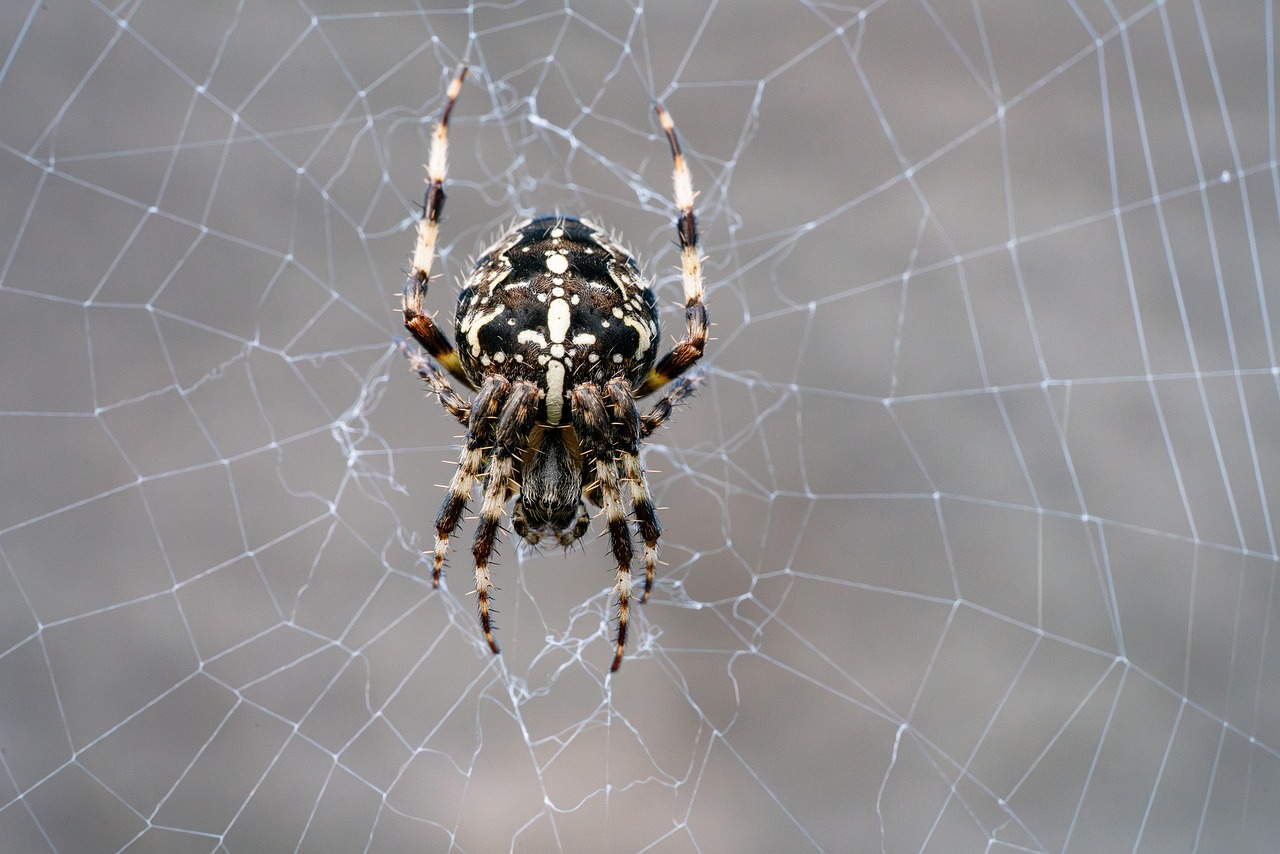
Her name is Charlotte, because I am unoriginal and because my niece named her and I didn't have the heart to correct it. She's a black and yellow garden spider—Argiope aurantia, if you want the Latin—and she built her web between two stalks of swamp milkweed in late July.
I noticed her because I was looking for caterpillars. I'd been checking those milkweed plants every day, sometimes twice a day, like a nervous parent. And there she was, hanging head-down in the center of a web that looked like it had been measured with a ruler. The zigzag stabilimentum down the middle. The perfect spiral. The whole thing glistening with dew.
I should have been annoyed. A spider in the butterfly garden is, on some level, a predator in paradise. But I couldn't bring myself to move her. She was too good at her job.
The Ethics of a Messy Garden
Here's the tension I live with every summer: I want butterflies, and butterflies are food. Not just for birds and bats, but for spiders and wasps and assassin bugs and robber flies. A garden that supports butterflies also supports the things that eat them. That's not a design flaw. That's an ecosystem.
I used to try to manage it. I'd relocate spiders. I'd knock down wasp nests. I'd squish anything that looked like it might threaten a caterpillar. And you know what happened? My garden got quieter. Fewer butterflies, not more. Fewer bees. Fewer birds.
Charlotte changed my mind about that. Not overnight—more like over the course of a summer. I watched her catch and wrap a cabbage white butterfly, and I felt the old urge to intervene. But I also watched her catch three cucumber beetles and a fly that had been bothering me for weeks. She was doing exactly what she was supposed to do. Who was I to decide she wasn't welcome?
So I left her alone. And she stayed all season, growing fat and glossy, molting and rebuilding her web after storms. By September, she was the size of my thumb. By October, she was gone—or rather, she'd laid her egg sac somewhere I never found, and then she died, because that's what garden spiders do.
What the Web Taught Me
I think about Charlotte more than I expected to. Not because she was special—she was a spider, doing spider things—but because she was so utterly committed to her work. She rebuilt that web every morning. She repaired it after every rain. She didn't complain about the days when nothing flew into it. She just sat there, patient and patient and patient, waiting for the world to come to her.
I am not patient. I am the kind of person who checks my email twelve times an hour and wonders why nothing ever gets done. But Charlotte didn't check anything. She just built the web. The web was the work. The waiting was the work.
I don't know if spiders have feelings. Probably not the way we do. But I know that watching one for a season made me a little calmer. A little more willing to trust that the things I build—a garden, a habit, a relationship—will eventually catch what they're meant to catch, if I just keep showing up to repair them.
Charlotte's egg sac probably overwintered somewhere in my leaf litter. I haven't seen her daughters yet this spring. But I'm leaving the milkweed stakes up just in case.