The Quiet Work of Winter in the Butterfly Garden
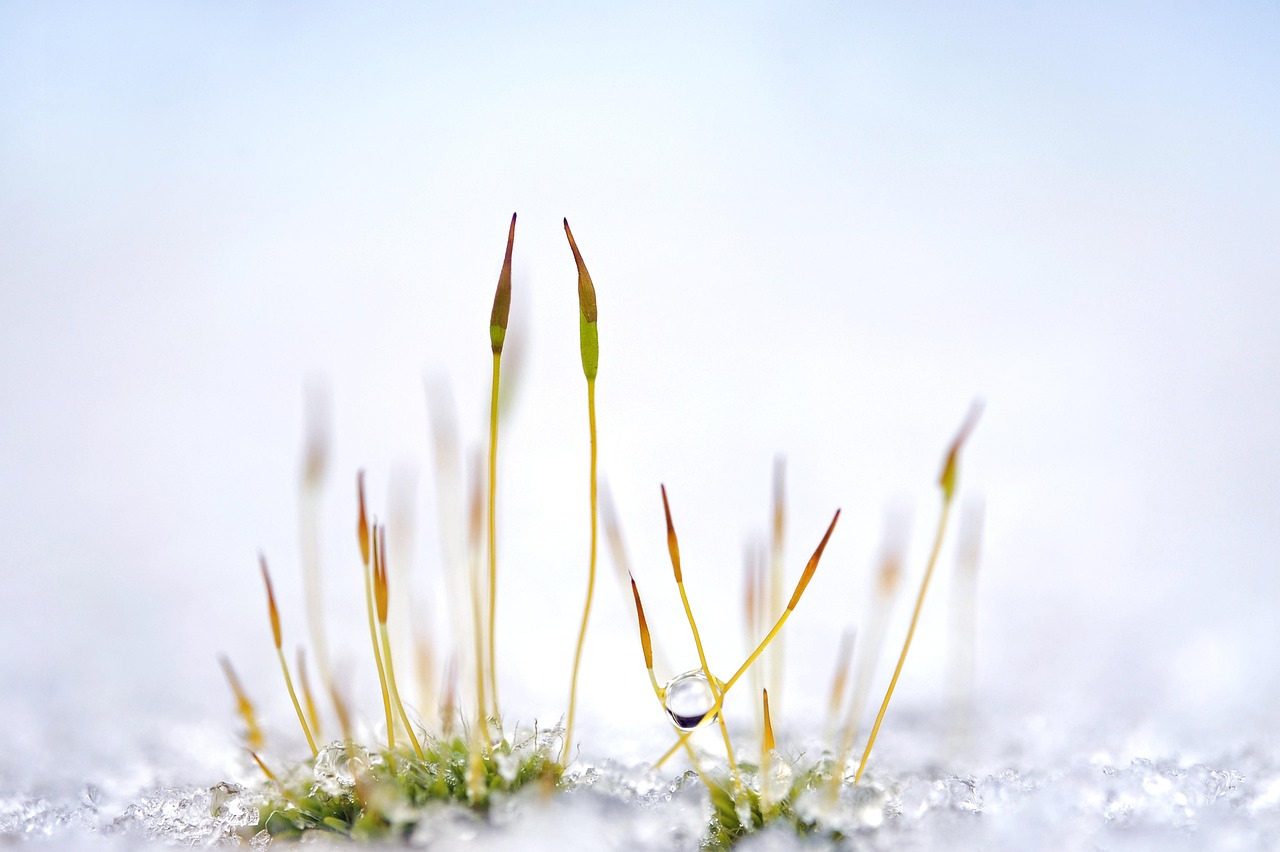
There's a version of butterfly gardening that only makes sense in summer. The flowers are up, the butterflies are out, the whole thing is a kind of loud, colorful party, and you get to stand in the middle of it with a glass of iced tea and feel like you've accomplished something. That version is lovely. It's also about a third of the story.
The other two-thirds happen in winter, when the garden looks like nothing is happening and, in fact, everything is.
I used to dread the winter garden. It looked like failure, all brown stems and soggy leaves and the ghost of what used to be. I'd stand at the window and feel a little sad, like I'd been abandoned by the very things I'd worked all summer to attract. Then I read something that changed how I saw it, and now I go outside in January and feel a kind of reverence instead.
Where the Butterflies Actually Go
Most of the butterflies you saw in summer are not gone. They're hidden. Some of them are eggs, tucked into the crevices of stems you didn't cut back. Some are caterpillars, curled up in the leaf litter at the base of your plants, waiting out the cold in a state of suspended animation. Some are chrysalides, disguised as dead leaves, hanging from twigs you'd have trimmed if you'd been tidier. Some are adults, hibernating in the bark of trees or the corners of your shed.
Every one of them is depending on you not to clean up too thoroughly. The garden in winter is not a dead garden. It's a nursery, a dormitory, a hiding place. It's the part of the life cycle we don't see, and it's the part that makes the summer possible.
Once I understood that, the brown stems stopped looking like failure and started looking like architecture. I stopped cutting things back in fall. I stopped raking the leaves out of the beds. I left the seed heads standing for the birds and the hollow stems standing for the bees. I let the garden be what it needed to be, which was messy and quiet and full of hidden life.
What to Do (and Not Do) in the Cold Months
The main thing is to do less. Resist the urge to tidy. Resist the urge to cut. Resist the urge to make it look like the pictures, because the pictures are taken in June and the reality of a healthy garden is that it spends half the year looking like it's given up.
If you want to do something, do this. Walk the garden slowly and look for signs. A chrysalis on a fence post. A ladybug in the leaf litter. A seed head that's been picked clean by a goldfinch. These are the small proofs that the garden is still alive, just in a different register.
And if you want to do something more, plant. Winter is when the bare-root plants arrive, when the seed catalogs show up, when you get to dream about what the garden will be in six months. It's a season of planning, which is its own kind of gardening.
The summer garden gets all the credit. The winter garden does all the work. I've learned to love them both, but I've learned to respect the quiet one more.