Planting for Patience: What My Milkweed Taught Me
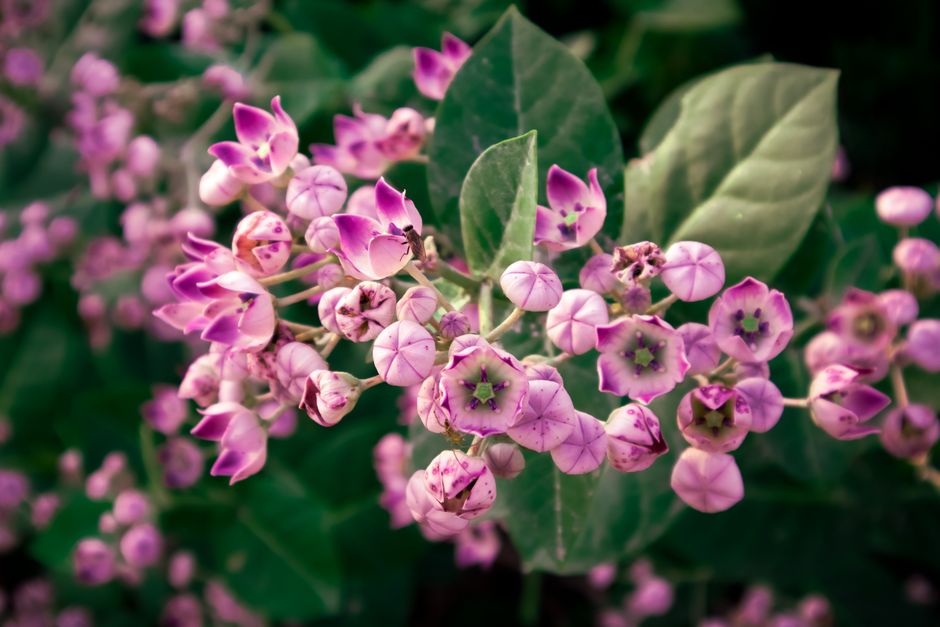
The first year I planted milkweed, nothing happened. I mean nothing. The plants came up, scrawny and a little sad, and the monarchs flew right past them like they were invisible. I watered, I waited, I may have muttered at the sky. By August I'd convinced myself I'd done something wrong, bought the wrong species, planted it in the wrong spot, offended some ancient garden deity I hadn't been introduced to.
The second year, the plants came back thicker. Still no caterpillars. I started to wonder if the whole milkweed project was one of those ideas that sounds better in books than it turns out in a suburban backyard.
Then came the third summer, and one afternoon I found a single monarch caterpillar chewing a hole in a leaf like it owned the place. I stood there for probably five minutes, grinning like a fool, watching a half-inch of striped appetite destroy the very plant I'd been babying for two years. It was the best destruction I've ever witnessed.
The Garden Doesn't Run on My Timeline
What milkweed taught me, slowly and with some irritation on my part, is that a garden is not a vending machine. You don't put in a quarter of effort and get a butterfly out. You put in years, and then one day the years pay you back in a way you couldn't have scheduled.
I think about this whenever I'm tempted to give up on something that hasn't produced results yet. A friendship that's been quiet. A skill I'm still clumsy at. A habit I keep starting over. Milkweed doesn't care that I wanted monarchs in year one. It grows at its own pace, builds its own root system, and eventually becomes the thing that other living creatures need.
There's a kind of humility in that. It's good for me. I spend a lot of my life trying to optimize, to shortcut, to get to the payoff faster. The garden refuses. The garden says, no, you'll wait, and you'll like it.
What to Plant When You're Not Sure
If you're new to butterfly gardening, here's what I'd tell you, and it's mostly about lowering your expectations in the most liberating way possible. Plant native milkweed if you can find it, and plant more than you think you need, because caterpillars are voracious and a single plant will not survive a large brood. Plant nectar flowers too, because adult butterflies need fuel, and a garden that only feeds the young is a garden that only tells half the story.
But more than any specific plant, plant patience. Expect the first year to be quiet. Expect the second year to be interesting. Expect the third year to be the one where you finally understand why people get emotional about this stuff.
My milkweed is four years old now, and it's a mess. It's leggy and spotted and half-eaten, and I love it more than anything else in the yard. It taught me that the best things in a garden, and maybe in a life, are the things that take longer than you wanted them to.